
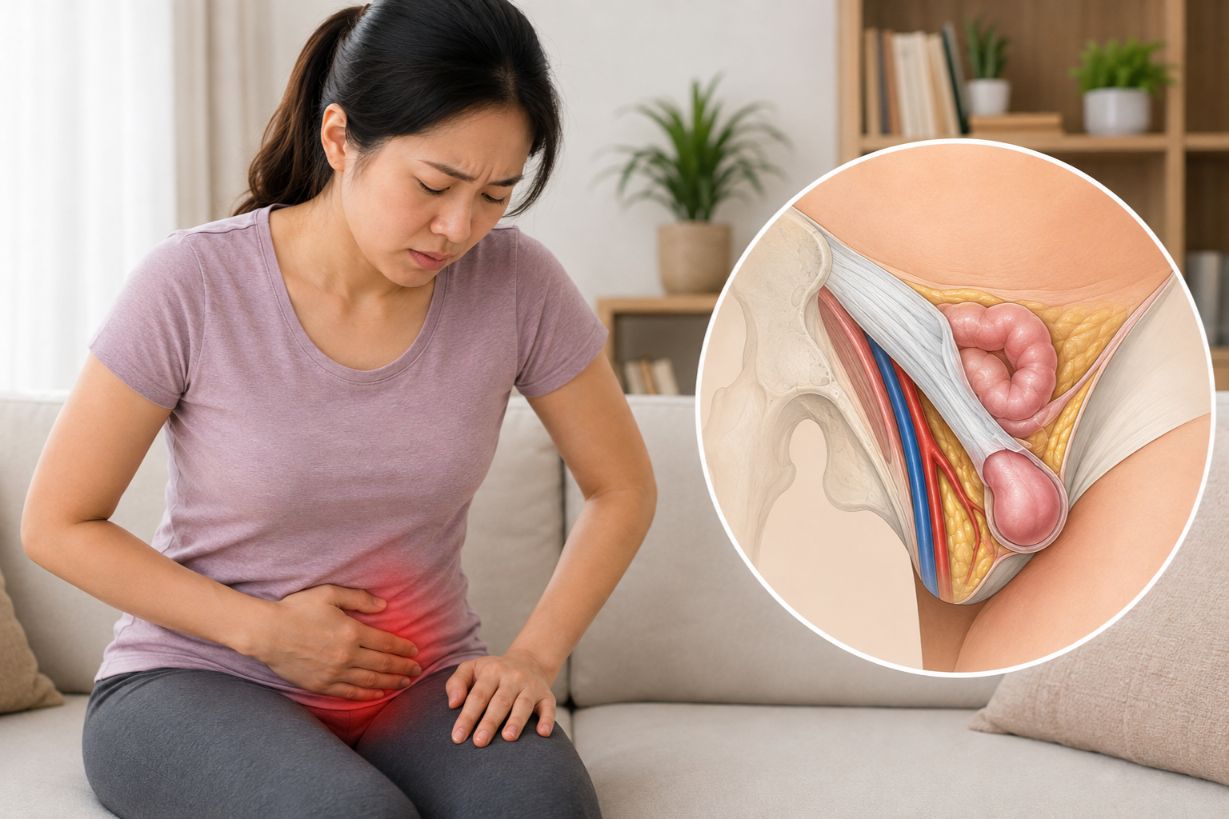
Hernias in Women: How Symptoms Can Differ from Men
Hernia symptoms in women can look quite different from the...
The MOH fee benchmark for repair of a hernia in the groin (inguinal or femoral hernia, one side, SF819A) is S$3,924 to S$6,540 for the surgeon’s fee, and for an umbilical or epigastric hernia (SF814A) S$3,270 to S$5,341, including GST. Hospital and anaesthetist charges are separate. See the hernia treatment guide for keyhole versus open repair and the full cost breakdown.
Ready to reclaim your life and say goodbye to hernia pain? Contact our experienced hernia specialist today for a consultation. Don’t let hernias hold you back any longer – take the first step towards a healthier, pain-free future!

If left untreated, your hernia may grow and become more painful. A portion of your intestine could become trapped in the abdominal wall. This can obstruct your bowel and cause severe pain, nausea, bloating or constipation.
An untreated hernia can also put too much pressure on nearby tissues. This can cause swelling and pain in the surrounding area. If the trapped section of your intestines doesn’t get enough blood flow, strangulation occurs.
This can cause the intestinal tissue to become infected or die. A strangulated hernia is life-threatening and requires immediate medical care.
Dr. Kan Yuk Man is a seasoned senior consultant surgeon with a specialty in minimally invasive hernia surgeries, among other procedures. With a quarter-century of experience under his belt, he is adept at performing keyhole surgery for a variety of hernia related cases. In his role as the Medical Director for KYM Surgery, Dr. Kan Yuk Man’s focus on minimally invasive techniques makes him an experienced surgeon in hernia surgery, allowing for faster recovery and less post-operative discomfort for patients.

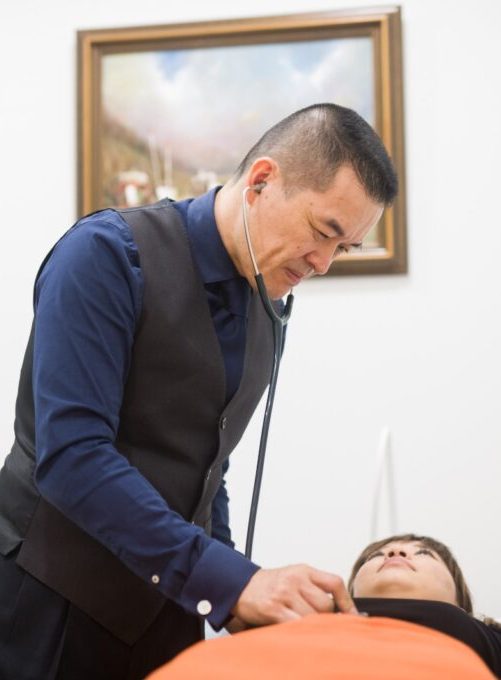
Dr Kan is a senior hernia surgeon who has developed an expertise in minimally invasive surgery (MIS) for the management of hernia.


Are you tired of the discomfort and long recovery times associated with traditional hernia surgery? It's time to explore a better alternative – minimally invasive hernia repair.

Dr Kan is internationally trained in the surgical treatment of Hernia.

Conveniently located at Mount Elizabeth Orchard and Farrer Park Hospital, we have access to a comprehensive suite of facilities that allows for the smooth treatment and recovery from Hernia.
We understand that every patient is different and that there isn’t a one-size-fits-all treatment option. We therefore have a customised and personalised approach to treating acid reflux, and some of these treatments include:
We may prescribe medications to dissolve gallstones. Medications you take by mouth may help to dissolve gallstones but it may take months or years of treatment to dissolve your gallstones in this way, and gallstones will likely form again if treatment is stopped.
This is why sometimes medications don’t work and isn’t recommended. Medications for gallstones are not commonly used and are reserved for people who can’t undergo surgery.
You don’t need your gallbladder to live, and gallbladder removal doesn’t affect your ability to digest food. Your doctor may recommend surgery to remove your gallbladder, since gallstones frequently recur.
Once your gallbladder is removed, bile flows directly from your liver into your small intestine, rather than being stored in your gallbladder.
Techniques for Gallbladder Surgery Include:

info@kymsurgery.com
+65 6443 3133
Do you suffer from sudden severe abdominal pain? That may be a sign of hernia, seek medical advice with KYM Surgery today!














Hernias can occur in different areas of the body, and they are typically classified based on their location. Here are some common types of hernias:
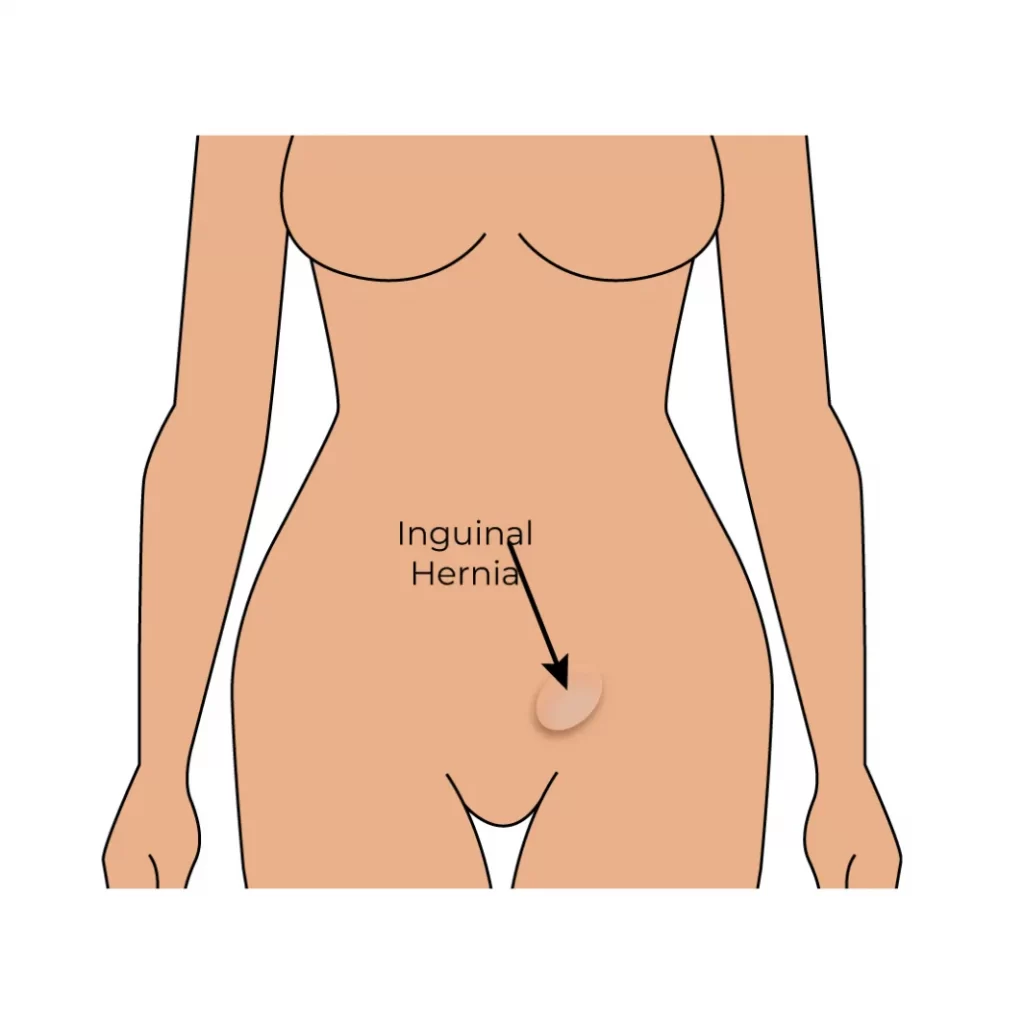
The most common hernia. Happens when the intestine protrudes through a weak spot in the lower abdomen, creating a groin bulge.
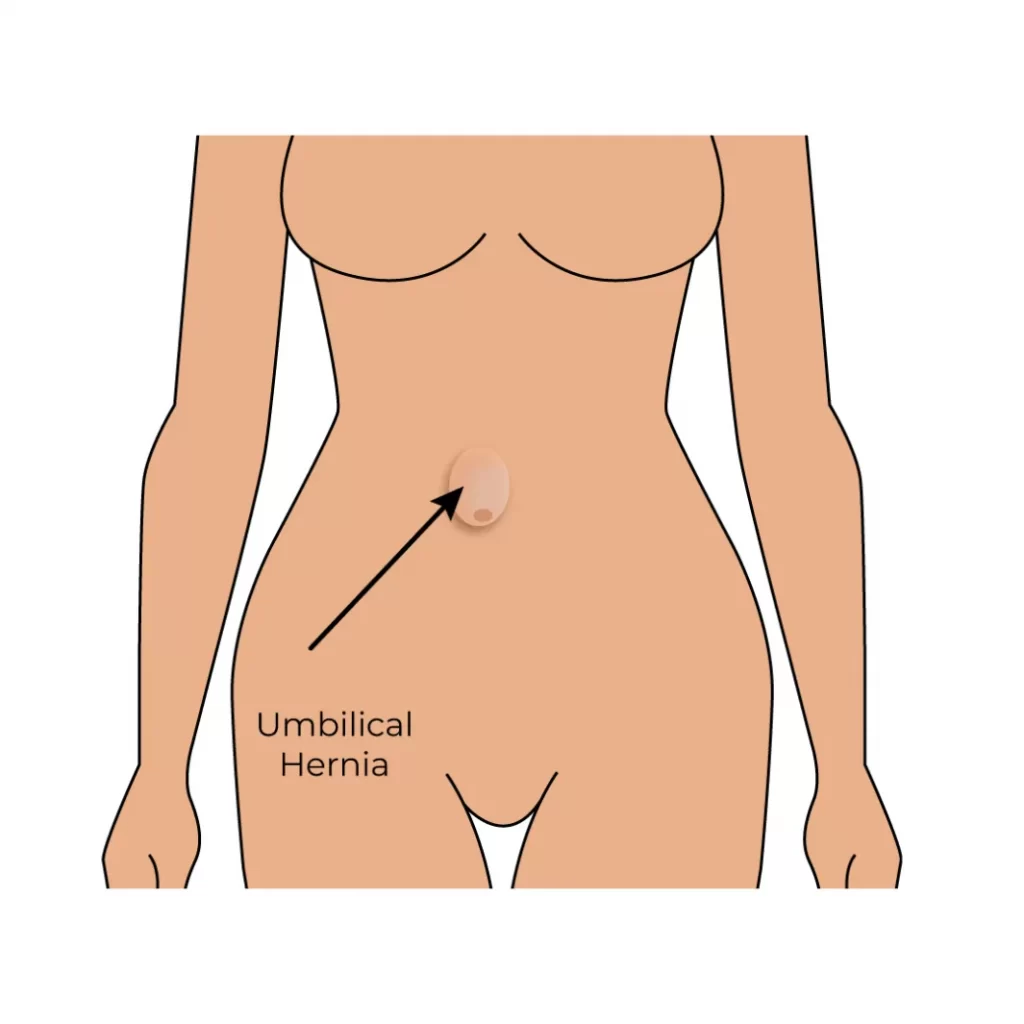
Develops when tissue pushes through the abdominal wall near the belly button. Common in infants, but can also occur in adults with weakened abdominal muscles.
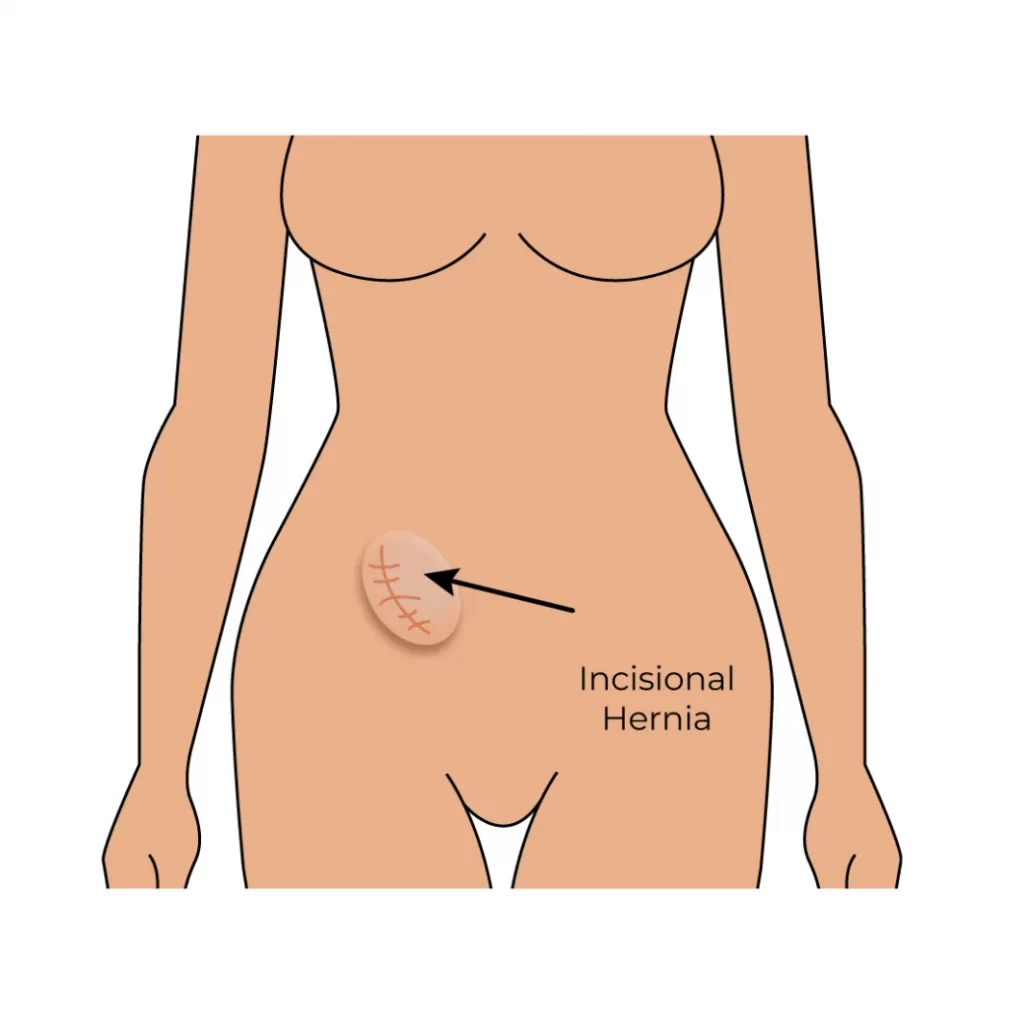
Forms at the site of a previous abdominal surgery when scar tissue weakens over time, allowing tissue to bulge through.
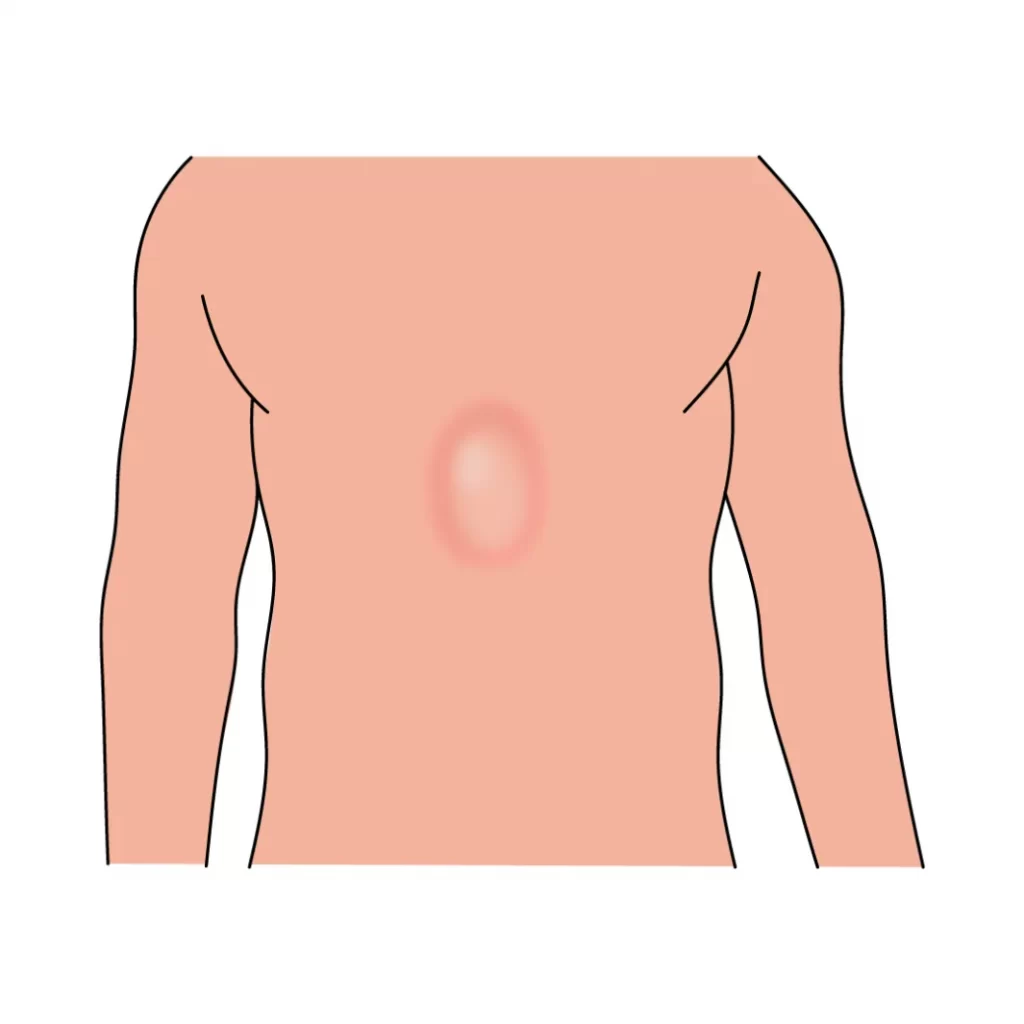
Occurs when part of the stomach pushes through the diaphragm into the chest. Often linked to GERD and may cause heartburn, swallowing difficulty, or chest discomfort.
Lower your chances of complications, see a hernia specialist early and discuss your best treatment options.
The most common symptom of a hernia is a bulge or lump in the affected area which may not have any symptoms if its small. In the case of an inguinal hernia, you may notice a lump on either side of your pubic bone where your groin and thigh meet. You’re more likely to feel your hernia through touch when you’re standing up, bending down, or coughing. It can disappear when you lie down.
Other common symptoms of an inguinal hernia include:
You can monitor a small, painless hernia, but it will not heal on its own. Surgery is recommended if it grows, causes discomfort, or becomes difficult to push back in.
Hernia symptoms in women can look quite different from the...

We're pleased to share that our very own Dr. Kan...

Discover when hernia is considered dangerous, the various hernia types...