
A femoral hernia is a lump just below the groin crease, at the top of the inner thigh, where tissue pushes through a narrow channel called the femoral canal. It is less common than an inguinal hernia and more often seen in women. Because it is more likely to become trapped, it is usually repaired soon after diagnosis.
The femoral canal is a small space just below the groin (inguinal) ligament, next to the main vein that carries blood from the leg. A femoral hernia forms when fat or part of the bowel pushes into this canal.
The opening of the canal is narrow and firm, so tissue that pushes through it can become stuck. This is why femoral hernias are more likely than inguinal hernias to become trapped or lose their blood supply.
Femoral hernias are more common in women, especially older women, but men can get them too. In both sexes, inguinal hernias remain the most common groin hernia.
Femoral hernias are often small and can be hard to see, particularly in people with a larger build. Some are first noticed only when they become painful. Any new lump in the groin or upper thigh is worth having checked. Read how hernia symptoms in women can differ.
These can mean the hernia is trapped (incarcerated) or its blood supply is cut off (strangulated), which needs emergency surgery. Go to the emergency department or call 995.
The surgeon examines the groin and thigh while you stand and lie down, and feels where the lump sits in relation to the groin ligament.
Ultrasound, or sometimes a CT scan, helps confirm a femoral hernia, which can be hard to tell apart from an inguinal hernia or a swollen lymph node.
If the lump is painful and will not go back, you will be assessed straight away for a trapped hernia.
Surgery is the only way to repair a femoral hernia, and it is usually recommended soon after diagnosis rather than waiting. The hernia is pushed back and the canal is closed off, usually with a mesh.
Under general anaesthesia, through about three small cuts. A mesh covers the femoral and inguinal openings from the inside, and the other side can be checked at the same time. Read about keyhole hernia surgery.
Through a cut in the groin, and possible under local or spinal anaesthesia. If the hernia is trapped, emergency surgery is needed, and part of the bowel may have to be removed if it has been damaged.
After a planned repair, most people go home the same day or the next day and return to everyday activities within about one to two weeks. Dr Kan Yuk Man will explain which approach suits you.
The Ministry of Health fee benchmarks for the surgeon’s fee in private hospitals, including GST:
Hospital charges are separate. MediSave and Integrated Shield Plans can be used where applicable. See our hernia treatment guide for more on costs.
Source: MOH fee benchmarks for surgical procedures.
Common questions about femoral hernias.
Not always, but it should be checked promptly because femoral hernias are more likely than inguinal hernias to become trapped. Go to the emergency department if the lump becomes painful, hard or will not go back, or if you are vomiting.
Yes, although they are more common in women, especially older women. Inguinal hernias are still the most common groin hernia in both men and women.
Watchful waiting is not usually advised. Because of the higher risk of the hernia becoming trapped, repair is generally recommended soon after diagnosis.
Both are used. Keyhole repair lets the surgeon see and cover the femoral and inguinal openings on both sides from the inside. Open repair can be done under local or spinal anaesthesia. Dr Kan will advise on which suits you.
Yes, eligible procedures can be partially covered by MediSave and Integrated Shield Plans, subject to policy terms.
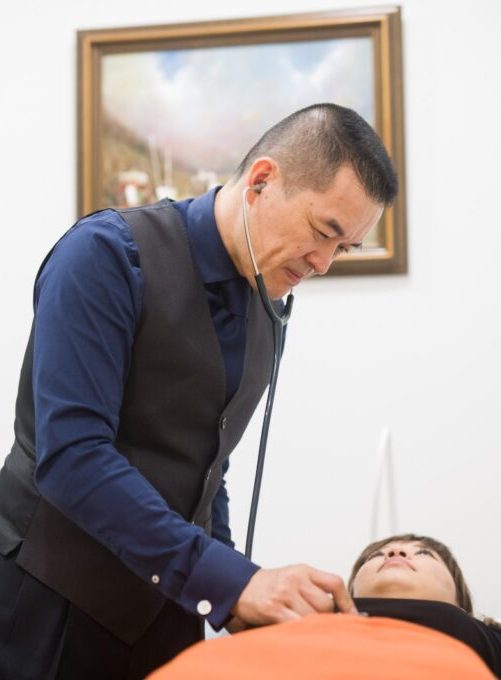
Have it checked promptly. Dr Kan Yuk Man can confirm the diagnosis and plan a repair.
Disclaimer: This article is for general information only and is not a substitute for medical advice. Please consult a qualified doctor for advice specific to your situation.
Clinical guidance based on the international guidelines for groin hernia management (HerniaSurge Group, 2018).